
Introduction
Artificial Intelligence has officially graduated from a "buzzword" to the backbone of modern medicine. In 2026, we are witnessing a pivotal transformation where AI doesn't just predict—it acts. With the digital health market projected to exceed $300 billion this year, the integration of "Agentic AI" and "Multi-omics" is redefining what it means to be a patient and a provider.
1. The Rise of Agentic AI: From Scribes to Strategic Partners
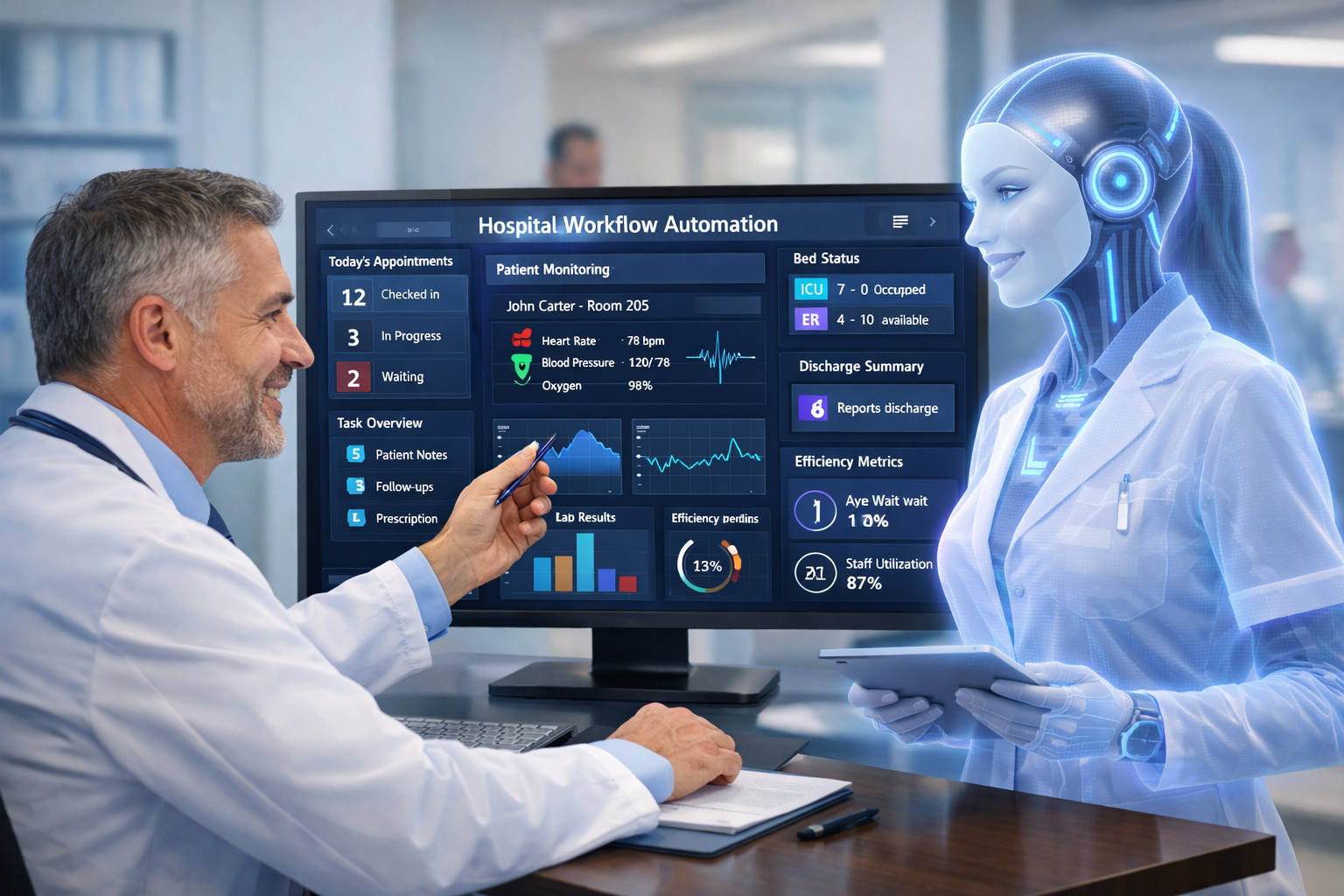
While 2025 focused on AI scribes that recorded notes, 2026 is the year of Agentic AI. These are autonomous software agents that can reason and navigate complex hospital workflows.
-
Administrative Autonomy: AI agents now manage the "Prior Authorization" process, communicating directly with insurance databases to get life-saving treatments approved in minutes rather than weeks.
-
Clinical Decision Support: Instead of just flagging a risk, Agentic AI analyzes a patient’s current lab results against their 10-year history and suggests specific dosage adjustments for a doctor to review.
2. Multi-Omics: The New Gold Standard for Diagnosis
The most significant diagnostic breakthrough this year is Multi-omics. AI now fuses data from several biological levels to create a "360-degree biological profile."
-
Genomics (DNA): Understanding hereditary risks.
-
Proteomics (Proteins): Seeing how diseases are currently progressing at a cellular level.
-
Metabolomics (Metabolism): Tracking how your body is reacting to medications in real-time. By synthesizing these, AI can identify "Silent Killers" like Stage 0 cancers or rare autoimmune markers that traditional blood tests would miss.
3. Digital Twins and "In-Silico" Clinical Trials
In 2026, we no longer need to rely solely on "trial and error" for complex treatments.
-
Digital Twins: Doctors can create a virtual replica of a patient’s organ or tumor.
-
Simulation: Before a single pill is swallowed, AI runs millions of simulations on the Digital Twin to see which drug combination yields the best results with the fewest side effects. This is particularly revolutionary for oncology and rare disease management.
4. Solving the Nursing Shortage with Virtual Nursing
Global healthcare is facing a critical workforce shortage. AI is filling the gap through Virtual Nursing Platforms:
-
Continuous Monitoring: AI-powered "smart rooms" use computer vision to detect if a patient is at risk of falling or if their breathing pattern changes, alerting human nurses immediately.
-
Multilingual Support: AI assistants provide 24/7 care instructions in the patient's native language, ensuring that "everyone gets what they need" regardless of literacy or language barriers.
5. Ethical Governance: Trust and the "Brussels Effect"
As AI takes on more responsibility, the demand for transparency has peaked. 2026 marks the full implementation of the EU AI Act, which has created a global "Brussels Effect" in medical ethics.
-
Explainable AI (XAI): "Black-box" algorithms are out. Every AI-generated diagnosis must now come with a "Why Statement" that explains the logic used to reach that conclusion.
-
Bias Mitigation: Hospitals are now required to audit their AI systems to ensure they perform equally well for patients of all ethnicities, genders, and socioeconomic backgrounds.
Frequently Asked Questions (FAQ)
1Q: Does Agentic AI make decisions without a doctor?
Ans: No. While these agents can handle administrative tasks autonomously, all clinical decisions follow the "Human-in-the-Loop" protocol. AI provides the evidence and the options, but the final sign-off always belongs to a qualified medical professional.
2Q: How does AI help with the current drug discovery process?
Ans: AI has compressed early drug discovery from 4 years down to 18 months. By using Reinforcement Learning (RLVR), scientific agents can simulate how new chemical compounds interact with human cells, drastically reducing the time it takes to bring vaccines and life-saving drugs to market.
3Q: Is my health data safe with these AI agents?
Ans: Yes. 2026 systems utilize Federated Learning. This means the AI learns from the data at the source (within the hospital) without ever moving your private records to a central cloud, ensuring your identity remains protected.
4Q: Can I access these AI tools if I don't live near a major city?
Ans: Actually, AI is the greatest equalizer for rural health. Portable AI-diagnostic tools and "Edge AI" in wearables allow local clinics to perform advanced heart and lung screenings that were previously only available in major metropolitan hospitals.
Conclusion: The Future is Co-Created
The state of healthcare in 2026 is a testament to the power of Human-AI Collaboration. We have moved beyond the "trough of disillusionment" into a phase of measurable value. By automating the mundane, AI is giving doctors the most precious gift of all: time. Time to sit with their patients, time to listen, and time to focus on the human connection that no algorithm can ever replace. As we look toward the end of the decade, the goal is clear: a healthcare system that is not just faster and smarter, but more compassionate, equitable, and accessible for every human being on the planet.