Introduction
Deciding between an NLP freelance developer and a full-time NLP engineer is a strategic decision many businesses grapple with today. As Natural Language Processing continues to transform how we interact with data, customers, and even internal operations, getting the right talent onboard is paramount. But how do you know if you need a long-term commitment or a flexible, project-based expert?
We understand that navigating the AI talent market can feel like solving a complex puzzle. This guide aims to break down the key considerations, helping you confidently determine whether an NLP freelance developer or a dedicated full-time hire is the best fit for your specific business needs.
What Exactly is an NLP Freelance Developer?
An NLP freelance developer is an independent expert specializing in Natural Language Processing, offering their services on a project-by-project or contractual basis to various clients. Unlike a full-time employee, they typically manage their own workload, work remotely, and are brought in for specific tasks or defined project durations. Think of them as on-demand specialists ready to tackle your unique NLP challenge without the long-term overhead of an in-house team member.
The Role of a Full-Time NLP Engineer
A full-time NLP engineer, in contrast, is an integral part of your permanent team, fully immersed in your company culture and long-term strategic goals. They handle ongoing NLP development, maintenance, and integration, often collaborating closely with other internal teams like data science, product development, or research. Their value lies in deep institutional knowledge, consistent availability, and continuous contribution to your evolving AI strategy.
Core Concept / What It Actually Is
The core distinction between an NLP freelance developer and a full-time NLP engineer boils down to commitment level and project scope. While both bring invaluable NLP expertise, their engagement models cater to fundamentally different business requirements.
Project-Based vs. Ongoing Commitment
The decision often hinges on whether your NLP needs are finite and project-specific or if they require continuous development, iteration, and deep integration into your product roadmap. A freelance developer excels at delivering clear, bounded projects, while a full-time engineer is better suited for initiatives that demand sustained attention and evolving internal expertise. We've seen this distinction trip up teams more than once, leading to misaligned expectations.
Flexibility vs. Deep Integration
Freelancers offer unmatched flexibility, allowing you to scale up or down based on immediate project demands without the complexities of permanent hiring. However, full-time engineers offer a level of deep integration and institutional knowledge that's hard for a short-term contractor to replicate. They live and breathe your specific data, systems, and long-term vision, which is a massive advantage for complex, evolving AI systems.
How It Works / Step-by-Step
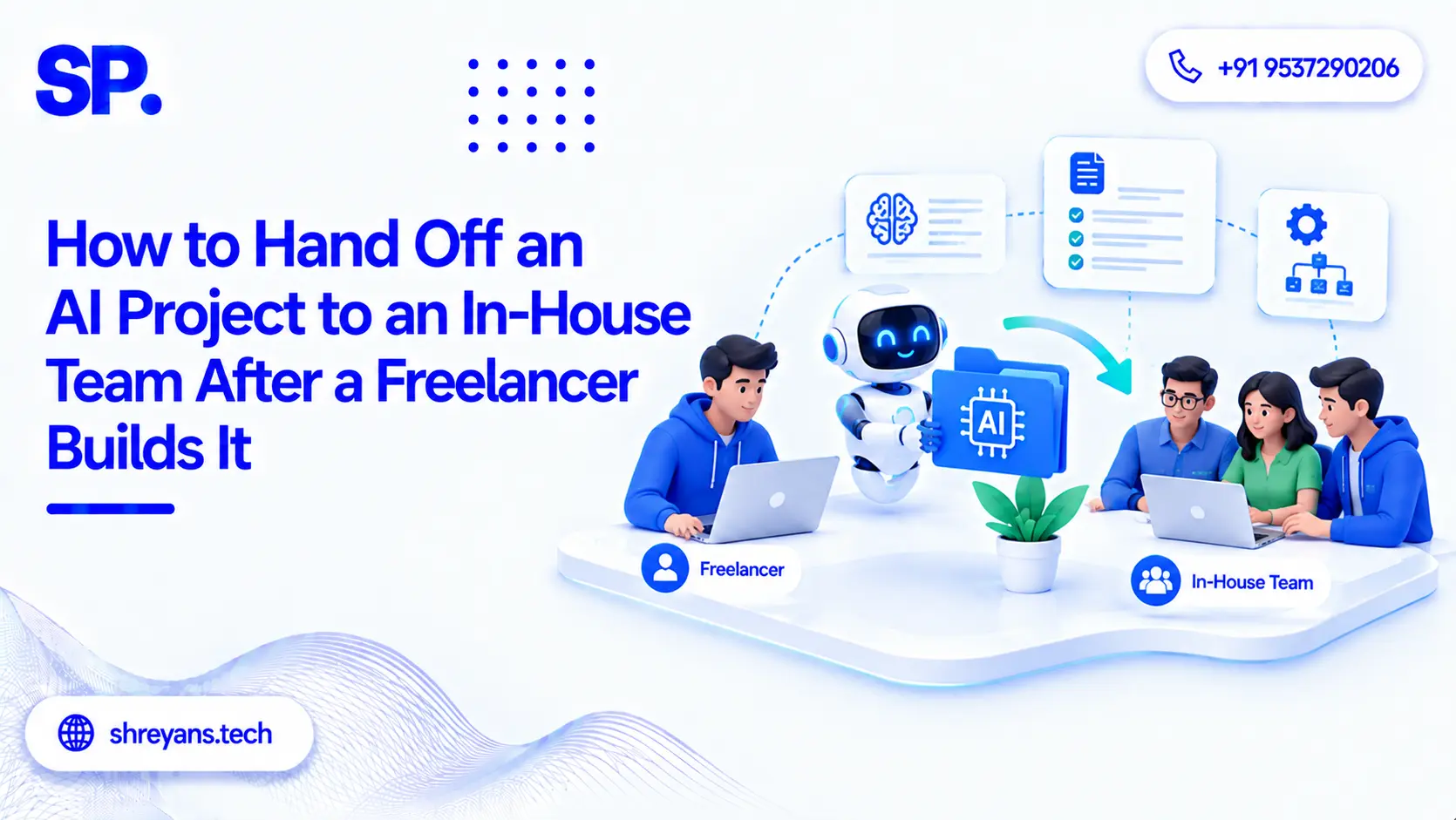
Choosing the right NLP talent involves a systematic approach that evaluates your specific project needs against the advantages of each hiring model. It's not just about technical skill; it's about fit for your operational style and budget.
Step 1: Define Your Project Scope and Duration
Before you even consider hiring, meticulously define the problem you're trying to solve, the NLP capabilities required, and the expected timeline for completion. Short-term projects (three to six months) with clear deliverables often benefit from an nlp freelance developer, whereas indefinite, evolving projects almost always require a permanent team member. Don't rush this step; it's foundational.
Step 2: Evaluate Budget and Long-Term Costs
Assess not just upfront costs but also the total cost of ownership. Freelancers might seem more expensive hourly, but they don't incur benefits, training, or office space costs. A full-time employee represents a significant long-term investment, so you need to be sure the ongoing value justifies the sustained expense. We encourage clients to look at the total value, not just the sticker price.
Step 3: Consider Internal Resources and Collaboration Needs
Think about how much integration and collaboration your NLP project requires with existing teams. If constant, deep collaboration with your product, engineering, or data science teams is critical, a full-time hire who can attend daily stand-ups and build strong internal relationships might be a better choice. For isolated tasks, a freelancer is typically just fine.
Real-World Applications / Use Cases
Understanding the practical applications of NLP helps clarify when each hiring model shines. Both freelance and full-time developers are vital, but their optimal use cases differ dramatically based on context.
When an NLP Freelance Developer Excels
Freelance developers are fantastic for specific, well-defined projects like building a custom chatbot for customer support, developing a sentiment analysis module for product reviews, or creating an automated classification system for incoming emails. For example, we helped a client implement an AI email automation and classification system on a fixed timeline. These projects benefit from specialized expertise without demanding an open-ended commitment.
Ideal Scenarios for a Full-Time NLP Engineer
A full-time NLP engineer is essential for initiatives that are central to your product or service, requiring continuous innovation and maintenance. This includes developing and scaling a proprietary language model, building out a comprehensive knowledge graph, or driving a long-term research agenda in conversational AI. They're critical when NLP is transforming your core business communication or data strategy on an ongoing basis.
Hybrid Models: Getting the Best of Both Worlds
Sometimes, the best solution is a hybrid model. You might have a full-time team establishing the core NLP infrastructure, while freelancers are brought in for specialized, short-term tasks or to inject specific niche expertise. This approach allows for scalability and access to diverse skills without overburdening your permanent staff. Honestly, this is often the sweet spot for many growing tech companies.
Challenges & How to Overcome Them
No hiring model is without its pitfalls. Understanding the common challenges associated with both freelance and full-time NLP talent can help you mitigate risks and ensure smoother project execution.
Challenges with NLP Freelance Developers
One significant challenge with freelancers is knowledge transfer and integration into existing systems. If not managed properly, their departure can leave knowledge gaps, making future maintenance difficult. Overcome this by demanding thorough documentation throughout the project and planning for a dedicated handover period to your internal team. We always insist on clear communication channels.
Challenges with Full-Time NLP Engineers
The primary challenge with full-time hires is the significant financial commitment and the risk of a skill mismatch if your NLP needs change dramatically. The onboarding process is also more intensive. Mitigate this by crafting highly detailed job descriptions, conducting rigorous interviews focused on adaptability, and fostering a culture of continuous learning to keep skills relevant. It's an investment, so you want to get it right.
Best Practices / Expert Tips
Making the right hiring decision for your NLP needs requires more than just knowing the definitions. These expert tips, born from years of experience, will guide your process.
1. Define Success Metrics Upfront
For any NLP project, but especially with a freelancer, clearly define what success looks like from day one. What are the key performance indicators (KPIs)? What are the acceptance criteria? This clarity prevents scope creep and ensures both parties are aligned on deliverables. Without this, you’re just guessing.
2. Prioritize Communication and Collaboration Tools
Regardless of whether you hire an NLP developer freelance or full-time, robust communication tools are non-negotiable. Use shared platforms for code repositories, project management, and daily check-ins. This keeps everyone on the same page and helps bridge any geographical or time zone gaps with remote talent.
3. Always Have a Clear Offboarding Strategy
This is the insight most guides skip: for freelance engagements, plan the offboarding strategy before onboarding even begins. Ensure all code, documentation, and models are fully transferred and understood by your internal team. This minimizes future dependency and protects your investment, preventing a knowledge vacuum when the project ends.
Conclusion
The choice between an NLP freelance developer and a full-time NLP engineer isn't trivial; it's a strategic decision that directly impacts your project's success and your company's long-term growth. By carefully assessing your project's scope, duration, budget, and integration needs, you can make an informed choice that aligns perfectly with your business objectives.
Aligning Talent with Your NLP Goals
Whether you need agile, project-specific expertise or a deep, continuous commitment to your AI roadmap, understanding these nuances is key. It allows you to optimize resources, reduce risks, and ultimately accelerate your NLP initiatives. Make an informed decision, and watch your projects flourish.
Ready to Transform Your Data?
If you're still weighing your options or need expert guidance to kickstart your next NLP project, consider reaching out. We specialize in helping businesses develop and train AI models that truly deliver results, matching the right talent to your unique challenges.
FAQs
Got more questions about hiring for your NLP needs? We’ve got answers to some of the most common queries.
How much does it cost to hire an NLP developer, freelance or full-time?
The cost to hire an NLP developer varies significantly. Freelance rates can range from $50 to $200+ per hour depending on experience and location, while a full-time NLP engineer’s salary might be $90,000 to $180,000+ annually, plus benefits. Project complexity and duration are huge factors, so it’s essential to define your scope early on. For more detailed insights, check out our AI development cost guide.
What essential skills should an NLP freelance developer possess?
An excellent NLP freelance developer should have strong programming skills (often Python), deep knowledge of NLP libraries like SpaCy, NLTK, or Hugging Face, and experience with machine learning frameworks (TensorFlow, PyTorch). Beyond technical prowess, they need excellent communication, project management, and problem-solving abilities to integrate smoothly into your existing workflows and deliver independently. They also need to adapt to different project needs quickly.
When is hiring a full-time NLP engineer considered overkill for a business?
Hiring a full-time NLP engineer might be overkill when your NLP needs are finite, project-based, or don't require continuous, in-house maintenance and evolution. For a single chatbot deployment, a one-off document classification system, or a specific data analysis task, a freelance expert offers specialized skills without the long-term overhead. We generally recommend full-time only when NLP is a core, ongoing function of your product or operations.
Can an NLP freelance developer handle projects involving sensitive data?
Yes, an NLP freelance developer can absolutely work with sensitive data, provided proper legal and technical safeguards are in place. This includes Non-Disclosure Agreements (NDAs), secure data handling protocols, and possibly anonymization techniques. We routinely work with clients on projects involving proprietary or sensitive information, always prioritizing robust security and compliance measures to protect data integrity.
What's a typical timeline for developing an NLP project?
The typical timeline for an NLP project can vary wildly, from a few weeks for a simple proof-of-concept to several months for complex, integrated solutions involving large datasets and advanced models. Factors like data availability and quality, model complexity, and integration requirements significantly impact the schedule. We always emphasize clear project scoping and iterative development to deliver value quickly and adapt as needed.



Shreyans Padmani
Shreyans Padmani has 5+ years of experience leading innovative software solutions, specializing in AI, LLMs, RAG, and strategic application development. He transforms emerging technologies into scalable, high-performance systems, combining strong technical expertise with business-focused execution to deliver impactful digital solutions.