CB Insights research consistently finds that 29% of startups fail because they run out of cash, not because of a bad product or a weak team. A single full-time engineering hire at $150,000 to $180,000 in fully-loaded annual cost changes a startup's runway math meaningfully, delaying two engineering hires by even one quarter has been shown to save $90,000 in direct cost for an early-stage team.
For many early-stage companies, the decision to hire ML developers on a flexible engagement model provides access to specialised expertise while keeping hiring costs and long-term commitments under control.
That runway math is the real reason so many startups default to freelance AI and ML talent before committing to full-time headcount. Here are eight specific reasons behind that choice, each backed by the numbers founders actually ran before making the call.
1. Cost: $40–80/Hour vs $150k+ Salary
A freelance AI or ML developer typically bills $40 to $80 per hour depending on seniority and region, meaning a startup pays only for hours actually worked. A full-time hire at $150,000 or more in fully-loaded annual cost is a fixed obligation regardless of how much AI work is actually in the pipeline that quarter. AI Developer in India vs Eastern Europe vs USA: Real Cost Comparison 2026 breaks down exactly how far that hourly rate stretches across different freelance markets.
2. Speed to Start
A full-time hire typically takes 6 weeks to several months from job posting to productive work, once sourcing, interviewing, and negotiation are accounted for. A vetted freelancer with a verified portfolio can start within days, which matters enormously when a startup is racing to validate a feature before the next investor update or the next competitor launch.
3. No Equity Dilution
Early full-time technical hires, especially senior ones, often come with an equity ask that permanently dilutes the founding team's ownership. Freelance engagements are pure cash transactions with no equity component, which preserves cap table flexibility for hires the startup genuinely needs to make equity commitments to later, such as a co-founder-level technical leader once the product direction is proven.
4. Niche Skill Access
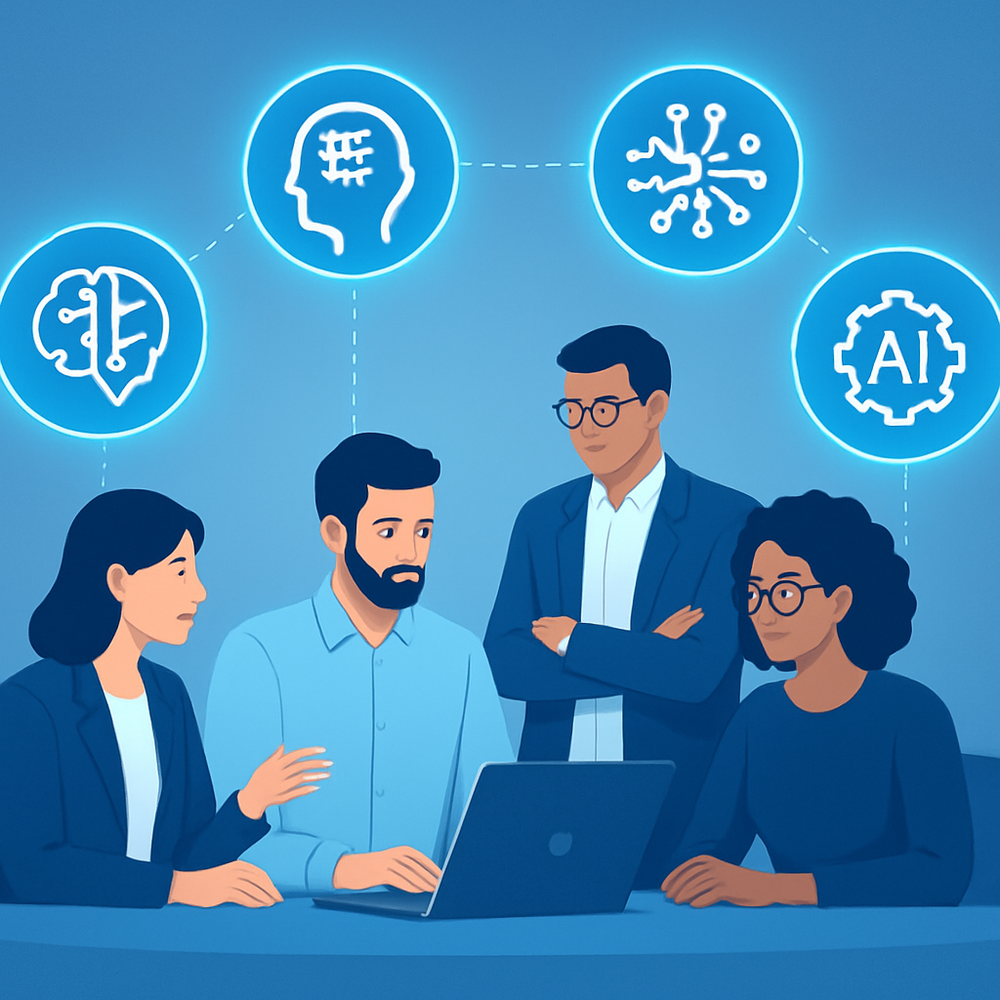
A startup rarely needs deep computer vision, LLM fine-tuning, and distributed training expertise all housed in one full-time generalist, and hiring for all three would be prohibitively expensive even if such a person existed. Freelance engagement lets a startup access the exact specialist skill a given feature needs, without paying to retain that specialism once the feature ships. AI Development Partner for Startups makes this case directly: a specialised partner offers immediate access to seasoned engineers across multiple AI disciplines without the multi-month hiring cycle for each one.
5. Outcome-Based Contracts
Freelance engagements can be structured around a specific, measurable deliverable, a working model, a shipped feature, a validated pipeline, rather than hours logged at a desk. This aligns payment directly with progress in a way that a full-time salary structurally cannot, since a salaried employee gets paid the same whether the sprint shipped or slipped.
6. Easier to Scale Down
Reducing a freelance engagement's hours, or ending it entirely once a project completes, carries none of the legal, financial, or morale cost of a layoff. This flexibility matters most in the volatile early stages when a startup's AI roadmap can shift significantly between funding milestones. Hire Dedicated ML Developers Without Overpaying in 2026 covers how to structure a dedicated freelance engagement that still gives you this scale-down flexibility without sacrificing the continuity a growing project needs.
7. Global Talent Pool
Freelance hiring removes the geographic constraint that limits full-time hiring to candidates willing to relocate or work in a specific time zone-compatible arrangement. A startup can access a specialist in AI model training or computer vision anywhere in the world, often at a meaningfully lower cost than an equivalent local full-time hire, without sacrificing the quality of a verified, portfolio-backed candidate.
8. No HR Overhead
A full-time hire brings recruiting costs, onboarding time, benefits administration, payroll tax compliance, and the ongoing management overhead of a direct report, all before a single line of production code ships. A freelance engagement sidesteps essentially all of this, letting a resource-constrained founding team focus its limited operational bandwidth on the product rather than HR infrastructure.
What Comes Next
None of these eight reasons argues that full-time hiring is wrong for every startup at every stage, only that it's the wrong default for a team still validating whether an AI feature earns its place in the product. The founders who protect their runway longest tend to be the ones who treat every hiring decision, freelance or full-time, as a deliberate trade-off rather than a default they never questioned. If cost, speed, or niche skill access is the constraint you're weighing right now, hire ai and ml freelancer developers with a track record across exactly the stage your startup is at.
Frequently asked questions
Why do startups prefer to hire ai and ml developers freelance instead of full-time?
How much does it cost to hire AI or ML developers freelance versus full-time?
Does hiring freelance AI developers mean sacrificing quality compared to full-time staff?
What is an outcome-based contract, and why do startups use it?
When should a startup switch from freelance AI ML developers to full-time hires?
Can freelance AI developers work across multiple time zones effectively for a startup?



Shreyans Padmani
Shreyans Padmani has 5+ years of experience leading innovative software solutions, specializing in AI, LLMs, RAG, and strategic application development. He transforms emerging technologies into scalable, high-performance systems, combining strong technical expertise with business-focused execution to deliver impactful digital solutions.